
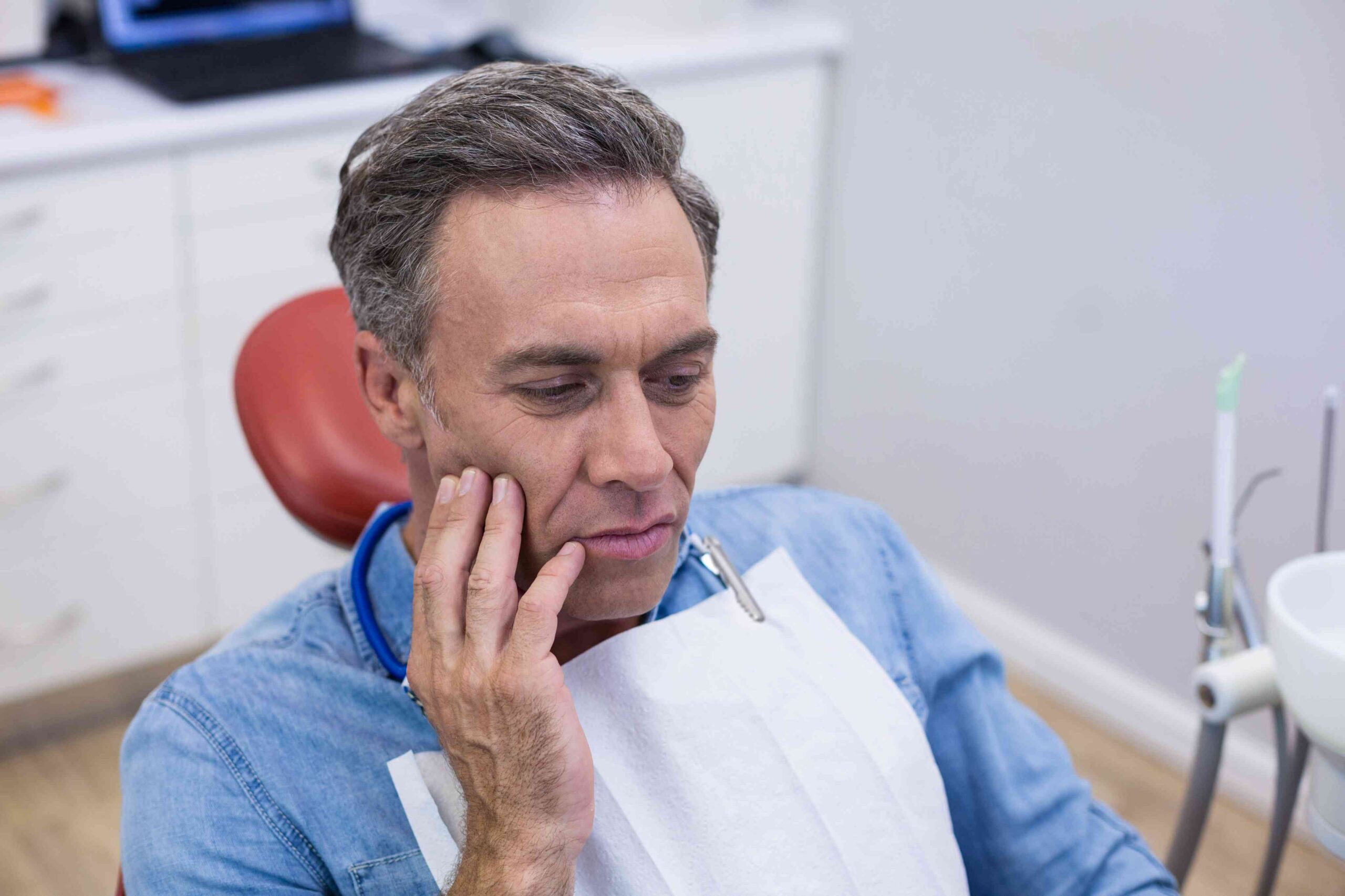
An emergency dentist in Severn, ON may help evaluate severe tooth pain, swelling, broken teeth, knocked-out teeth, bleeding, dental trauma, lost restorations, fever, or signs of infection. Patients in Severn should seek prompt dental care when symptoms are intense, spreading, or linked to injury. If swelling affects breathing or swallowing, emergency medical care is needed. A dentist can diagnose the cause and recommend treatment after evaluation.
A dental problem can change quickly. A dull ache may cause a throbbing toothache. A filling may break during dinner. Swelling may appear near the gum or cheek. For patients in Severn, ON, the difficult part is knowing whether a symptom can wait or needs prompt dental care.
An emergency dentist in Severn, ON can evaluate urgent symptoms and help identify what is causing the problem. Dental emergencies may involve teeth, gums, nerves, roots, bone, restorations, or soft tissues. Pain relief is important, but the main goal is diagnosis and appropriate care. Severe pain, swelling, trauma, bleeding, or infection signs should not be ignored. A timely dental assessment can help protect the tooth, surrounding tissues, and overall oral health.
Severe Pain Is a Warning Sign
Tooth pain can feel sharp, dull, throbbing, or pressure-like. Some pain happens only when chewing. Other pain lingers after hot or cold drinks or wakes a person during the night.
Severe or worsening pain may be linked to deep decay, nerve inflammation, a cracked tooth, gum infection, abscess, or bite trauma. Pain medication may help temporarily, but it does not treat the cause.
Patients in Severn should seek dental evaluation when pain interferes with eating, sleeping, speaking, or normal routines. The sooner the cause is identified, the clearer the treatment path becomes.
Swelling Should Be Taken Seriously
Swelling in the gums, jaw, cheek, or face may suggest infection or inflammation. It may appear with fever, a bad taste, pus, difficulty opening the mouth, or feeling unwell.
Dental swelling can sometimes spread. If swelling affects breathing or swallowing, emergency medical care is needed right away. If swelling is present without airway symptoms, urgent dental care is still important.
The dentist needs to find the source. Antibiotics may be used in selected cases, but infection often requires dental treatment to address the tooth or gum problem.
A Broken Tooth May Be More Serious Than It Looks
A tooth may break because of decay, trauma, a large old filling, clenching, or biting something hard. Even when pain is mild, the inner tooth may be exposed, or the remaining structure may be weak.
Sharp edges can irritate the tongue or cheek. Sensitivity may develop when cold air, water, or food reaches the broken area. A deep break may affect the nerve.
Patients should avoid chewing on the broken tooth and keep the area clean. A dentist may recommend a filling, crown, root canal treatment, extraction, or another option after evaluation.
Knocked-Out Adult Teeth Need Fast Care
A knocked-out adult tooth is a time-sensitive emergency. The tooth should be handled by the crown, not the root. If dirty, it may be gently rinsed without scrubbing.
If possible, the tooth may be placed back into the socket without force. If that cannot be done, it should be kept moist in milk or a tooth preservation solution. Dental care should be sought as quickly as possible.
A knocked-out baby tooth should not be placed back into the socket because it may harm the developing adult tooth. A dentist should still evaluate the child’s health.
Lost Fillings and Crowns Can Expose Weak Tooth Structure
A lost filling or crown may leave the tooth sensitive and vulnerable. Food can be collected in the exposed area, and the remaining tooth may fracture more easily.
Patients should save a crown if it comes off and brings it to the dental visit. It may or may not be reusable depending on the fit and tooth condition.
A lost restoration should be checked soon, especially if there is pain, rough tooth structure, sensitivity, or difficulty chewing. Waiting may allow the tooth to weaken further.
Dental Trauma Should Be Checked Even Without Pain
Falls, sports injuries, accidents, and hits to the mouth can damage teeth, roots, gums, jawbone, or soft tissues. A tooth may be cracked, loosened, pushed out of place, or injured internally.
Some trauma does not hurt right away. A tooth may darken later if the nerve is damaged. A root crack may not be visible without imaging.
During an urgent assessment at Century Home Dental Awake or Sleep, patients may have the injured tooth, gums, bite, and surrounding tissues checked so the next step can be based on findings.
Emergency Diagnosis Comes Before Treatment
Urgent dental care starts with finding the source of the problem. The dentist may ask when symptoms begin, what makes them worse, whether trauma occurred, and whether swelling or fever is present.
Testing may include X-rays, tapping, bite testing, temperature testing, gum measurements, and examination of dental work. These steps help identify whether the issue is decay, infection, fracture, gum disease, nerve damage, or another concern.
Treatment depends on the diagnosis. The same symptoms can have different causes in different patients.
How Urgent Care Connects to Regular Dental Visits
A dentist in Severn, ON may help patients manage cleanings, exams, gum care, fillings, crowns, and tooth pain before problems become urgent. Routine care may catch decay, cracks, or failing restorations earlier.
Even with good care, urgent symptoms can still happen. A tooth can break, trauma can occur, or an infection can develop quickly.
Urgent visits and regular visits work together. The emergency visit addresses immediate concern, while follow-up care may complete the restoration, monitor healing, or prevent another problem.
Orillia Patients May Face the Same Warning Signs
Patients searching for a dentist in Orillia, ON may have similar questions about pain, swelling, broken teeth, or trauma. The warning signs are not limited to location.
Strong pain, spreading swelling, fever, dental injury, and uncontrolled bleeding should be evaluated promptly. If symptoms involve breathing, swallowing, or severe facial swelling, medical emergency care is needed.
Clear guidance helps patients avoid waiting too long when symptoms are serious.
What to Do Before the Dental Visit
Patients should avoid chewing on the affected side. If a tooth breaks, save any pieces if possible. If a crown comes off, keep it and bring it to the appointment. Gentle pressure with clean gauze may help with bleeding.
For swelling, a cold compress outside the face may help comfort, but it does not treat infection. Aspirin should not be placed directly on the gums because it can irritate tissues.
Patients should bring a list of medications, allergies, medical conditions, and details about recent symptoms or injuries.
What to Expect During an Emergency Appointment
The dental team may begin by asking about pain level, symptom timing, medical history, and whether there was trauma. Patients should mention fever, swelling, difficulty swallowing, medications, allergies, and previous dental work.
The dentist may examine the teeth, gums, jaws, bites, and surrounding tissues. X-rays may be recommended to check roots, bone, decay, infection, or fracture signs.
Care may include temporary repair, filling, crown planning, root canal treatment, drainage, extraction, medication when appropriate, or referral. Some cases need follow-up after the urgent concern is stabilized.
When Emergency Medical Care Is Needed
Some symptoms go beyond dental office care. If swelling affects breathing or swallowing, emergency medical care is needed. Severe facial trauma, uncontrolled bleeding, high fever spreading swelling, or signs of serious infection also need immediate medical attention.
A dental office can evaluate many urgent oral health concerns, but airway issues and severe systemic symptoms require medical emergency care first.
Patients should choose safety when symptoms feel severe or are spreading quickly.
Benefits of Prompt Emergency Evaluation
Prompt dental evaluation may help patients:
- Find the source of pain
- Check for infection
- Protect a broken tooth
- Assess dental trauma
- Stabilize lost dental work
- Reduce risk of worsening symptoms
- Plan follow-up treatment
- Protect surrounding teeth and gums
- Understand when medical care is needed
- Urgent care can also reduce uncertainty when symptoms feel stressed.
Local Patient Review
“I was swelling and was not sure if it was serious. The visit helped explain why the tooth needed evaluation and what the next step should be.”
Urgent Symptoms Need Clear Dental Guidance
Severe pain, swelling, trauma, and broken teeth should not be left to guesswork. Severn patients can visit Century Home Dental Awake or Sleep for urgent dental evaluation and guidance on the next step for their oral health.
Frequently Asked Questions
When should I see an emergency dentist in Severn, ON?
Seek urgent dental care for severe pain, swelling, broken teeth, knocked-out teeth, bleeding, trauma, fever, or infection signs.
Is dental swelling an emergency?
Swelling should be checked promptly. If it affects breathing or swallowing, seek emergency medical care right away.
Can a broken tooth wait if it does not hurt?
It should still be evaluated. A broken tooth may expose weak structure, become sensitive, or worsen with chewing.
What should I do if an adult tooth is knocked out?
Handle it with the crown, keep it moist in milk or tooth preservation solution, and seek dental care as quickly as possible.
Will an emergency visit complete all treatments?
Sometimes, but not always. The dentist may stabilize the issue first and recommend follow-up based on the diagnosis.
Can antibiotics fix a tooth infection?
Antibiotics may be used in some cases, but the tooth or gum source still needs dental treatment.
What if a crown or filling falls out?
Avoid chewing on that side, save the crown if you have it, and schedule evaluation to protect the tooth.
Should dental trauma be checked without pain?
Yes, trauma can damage roots, nerves, or supporting tissues even when pain is mild at first.