
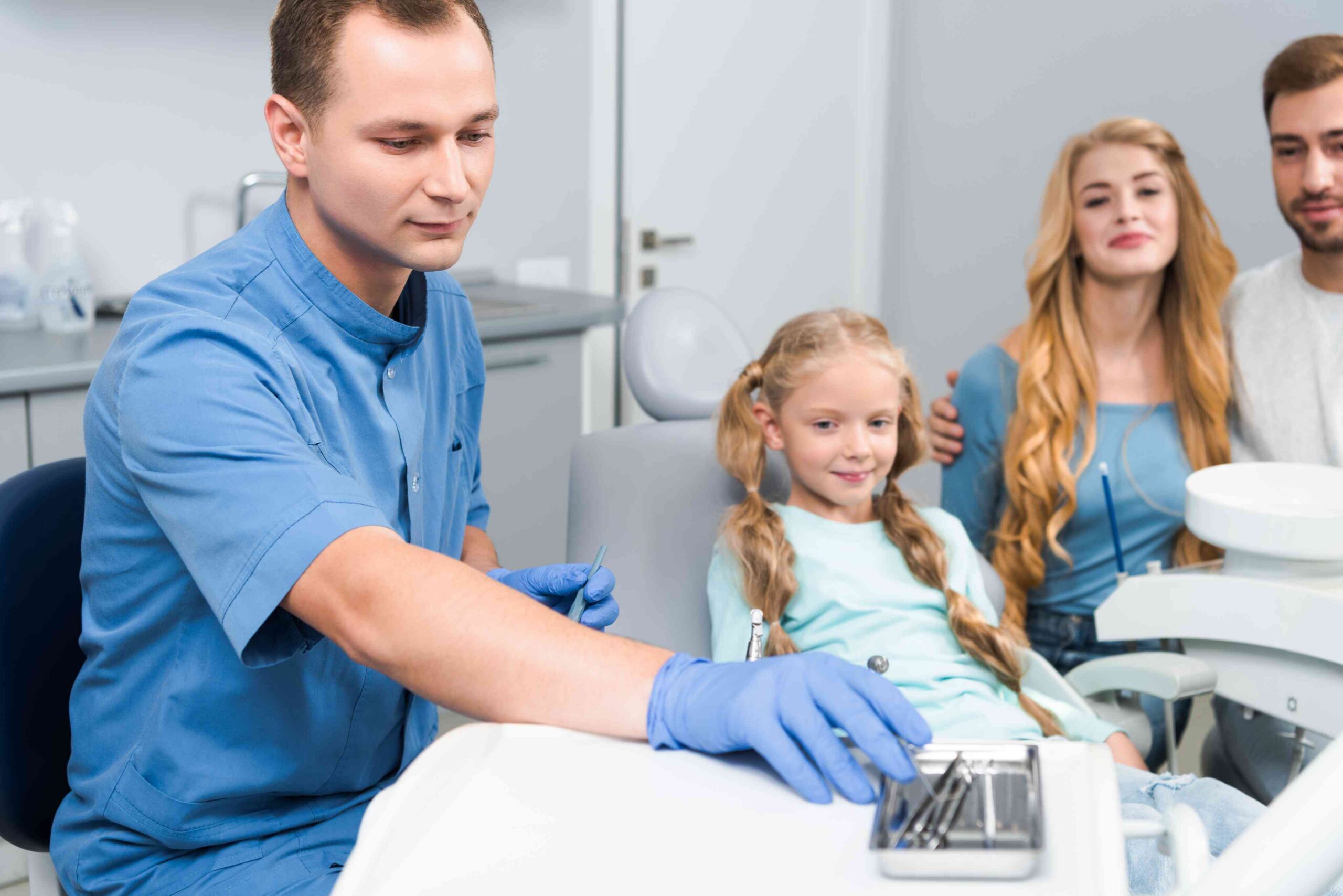
A family dentist in Orillia, ON may help children, teens, adults, and seniors with dental exams, cleanings, gum checks, cavity detection, fillings, tooth pain evaluation, prevention, and treatment planning. Family dental care can also support comfort concerns, oral hygiene habits, bite changes, cosmetic questions, and long-term maintenance. Orillia and Severn patients often benefit from consistent care because the dentist can monitor changes over time and explain what needs attention now, what can be watched, and what may be planned later.
Dental needs change with age. A child may need help learning to brush properly. A teen may have crowding, sports-related tooth injuries, or questions about aligners. An adult may deal with sensitive teeth, old fillings, gum bleeding, or cosmetic concerns. A senior may need support with dry mouth, worn teeth, missing teeth, or dental work that has changed over time.
A family dentist Orillia, ON visit can bring these different needs into one place. The goal is not only to treat problems as they appear. It is to monitor oral health over time, explain changes clearly, and help patients make decisions that fit their stage of life. For families in Orillia and nearby Severn, consistent dental care can make prevention and treatment planning easier to manage.
Family Dentistry Starts with Prevention
Preventive care is useful at every age. Dental exams, cleanings, gum checks, cavity screening, oral hygiene guidance, and bite reviews can help identify problems before they become more involved.
Children may need help building habits. Teens may need extra support around diet, sports, and cleaning around crowded teeth. Adults may need monitoring for gum health, cracks, grinding, and older restorations.
A family dental visit should be practical. Patients should leave understanding what looks healthy, what needs more attention, and which daily habits may help reduce future risk.
Children Benefit from Early Dental Familiarity
Early dental visits can help children become more comfortable with the dental setting. The dentist may check tooth development, brushing habits, spacing, bite, and cavity risk.
Parents may ask about thumb-sucking, pacifier use, snacks, fluoride, brushing technique, or when adult teeth should appear. These questions are common and can be handled during routine visits.
The goal is not to make children nervous about dental care. It is to help them understand that checkups are a normal part of staying healthy.
Teen Dental Needs Can Change Quickly
Teenagers may face different dental concerns. Adult teeth may crowd, wisdom teeth may be monitored, sports injuries may happen, and diet choices can affect cavity risk.
Some teens may ask about straighter teeth. A discussion about Invisalign Severn, ON may be useful if alignment, spacing, or mild crowding is a concern. The dentist still needs to check gum health, tooth position, bite, and daily responsibility before aligners are considered.
Teen care works best when the patient understands their role. Brushing, flossing, aligner wear, mouthguards, and regular visits all depend on daily habits.
Adults Often Need Prevention and Repair Together
Adult dental visits often involve more than cleaning. A patient may have old fillings, tooth sensitivity, gum recession, grinding, jaw tension, or a tooth that feels different when chewing.
The dentist may review existing dental work and look for cracks, decay, wear, or gum changes. This helps decide whether something needs treatment or monitoring.
At Century Home Dental Awake or Sleep, family care may include prevention, comfort planning, restorative guidance, and cosmetic conversations because adult patients often have several priorities at once.
Cosmetic Questions Can Begin with a Checkup
Many cosmetic concerns begin during routine dental care. A patient may ask about a chipped edge, small gap, uneven teeth, or staining.
If a tooth is chipped or slightly uneven, dental bonding Severn, ON may be discussed after an exam. Bonding can help with minor repairs or cosmetic reshaping in some cases, but tooth health and bite pressure must be reviewed first.
If the concern is alignment rather than tooth shape, clear aligners may be a better topic. The dentist can help explain the difference between moving teeth and reshaping teeth.
Gum Health Matters for Every Generation
Gum health affects children, adults, and seniors in different ways. Bleeding, swelling, tenderness, recession, or bad breath may suggest inflammation or periodontal concerns.
The dentist or hygienist may measure gum pockets, check tartar buildup, and review home care. These findings help decide whether routine cleaning, improved brushing and flossing, or more focused gum care may be recommended.
Healthy gums support natural teeth and dental work. They also matter if a patient needs crowns, bridges, implants, aligners, or cosmetic treatment.
Dental Anxiety Should Be Part of the Conversation
Some patients avoid dental visits because of past experiences, sensitivity, gagging, sounds, needles, or fear of bad news. Children and adults can both feel this way.
A family dental visit should allow patients to share concerns before treatment begins. The dental team may explain steps, agree on a hand signal, allow breaks, or talk through what to expect.
Comfort begins with communication. Patients often feel better when they understand what is happening and why a recommendation is being made.
Seniors May Need Different Dental Support
As patients age, oral health needs may change. Dry mouth, medication effects, gum recession, worn teeth, missing teeth, and older dental work can become more common.
Seniors may also have crowns, bridges, dentures, implants, or fillings that need regular checks. Cleaning around these areas may require specific guidance.
A family dentist in Orillia, ON can help monitor these changes over time. Regular visits may catch small problems earlier and support comfort with eating, speaking, and daily cleaning.
Why Consistent Care Helps Over Time
Seeing the same dental team over time may help create a clearer picture of oral health. The dentist can compare changes in gums, teeth, bites, and restorations from visit to visit.
This can be useful when deciding whether a concern is new, stable, or getting worse. A small crack, gum pocket, or worn filling may be watched closely before treatment is recommended.
Consistency also helps patients feel more comfortable asking questions. Families may appreciate having a dental record that grows with them.
What to Expect Before, During, and After the Appointment
Before the visit, patients should note symptoms, medications, health changes, dental anxiety, and any questions. Parents can mention concerns about brushing, diet, tooth development, or habits.
During the appointment, the dentist may examine teeth, gums, bites, oral tissues, and existing dental work. Cleaning may be completed if scheduled. X-rays may be recommended based on age, symptoms, and risk.
After the visit, patients should understand what looked healthy, what needs attention, and what should be monitored. Follow-up may involve preventive care, fillings, gum care, cosmetic planning, aligner discussion, or urgent care if symptoms require it.
How Family Dental Care Supports Daily Life
A family dental visit may help patients:
- Understand tooth sensitivity
- Support children’s brushing habits
- Check gum health
- Monitor old fillings
- Discuss cosmetic concerns
- Review bite pressure
- Plan care in stages
- Reduce uncertainty about symptoms
- Build comfort with dental visits
- Maintain long-term oral health
This kind of care can be useful for households with different needs. One family member may need prevention; another may need repair, and another may want cosmetic guidance.
When Symptoms Need Prompt Attention
Most dental care can be planned during regular visits, but some symptoms need faster evaluation. Severe pain, swelling, fever, bleeding, trauma, a broken tooth, or signs of infection should be checked promptly.
If swelling affects breathing or swallowing, emergency medical care is needed. Patients should not wait when symptoms are intense, spreading, or linked to injury.
A family dental clinic can help patients understand the difference between routine concerns and symptoms that need quicker care.
Local Patient Review
“I liked that each family member’s visit felt different based on what they needed. Questions about brushing, sensitivity, and old fillings were explained clearly.”
Dental Care That Grows with the Household
Families need dental care that can adjust as children grow; adults manage repairs, and seniors maintain comfort and function. Patients in Orillia and Severn can visit Century Home Dental Awake or Sleep for guidance that supports prevention, treatment planning, and changing oral health needs.
Frequently Asked Questions
What ages can a family dental office usually see?
Many family dental offices care for children, teens, adults, and seniors. The dentist can explain which services fit each patient’s age and oral health needs.
How often should families plan dental visits?
Many patients visit every six months, but timing can vary. Gum health, cavity risk, age, medical history, and existing dental work may affect the schedule.
Can one office help with both prevention and cosmetic questions?
Yes, a family dentist in Orillia, ON may provide preventive care and discuss cosmetic concerns. The dentist should first check tooth and gum health.
When should a child first feel comfortable at the dentist?
Comfort often builds through calm, routine visits. Parents can help by keeping the conversation simple and letting the dental team explain each step.
Can teens ask about clear aligners during a checkup?
Yes. Teens with crowding or spacing concerns may ask about Invisalign Severn, ON. The dentist will check teeth, gums, bites, and daily wear readiness.
Can small chips be fixed during family dental care?
Small chips may be evaluated during a routine visit. Dental bonding Severn, ON may be discussed if the tooth is healthy and the bite is suitable.
What symptoms should not wait?
Severe pain, swelling, fever, bleeding, trauma, broken teeth, or signs of infection should be checked quickly. Breathing or swallowing issues need emergency medical care.
Why do older fillings need to be checked?
Fillings can be worn, cracked, leaked, or collected plaque around the edges over time. Regular exams help the dentist decide whether they are stable or need care.