
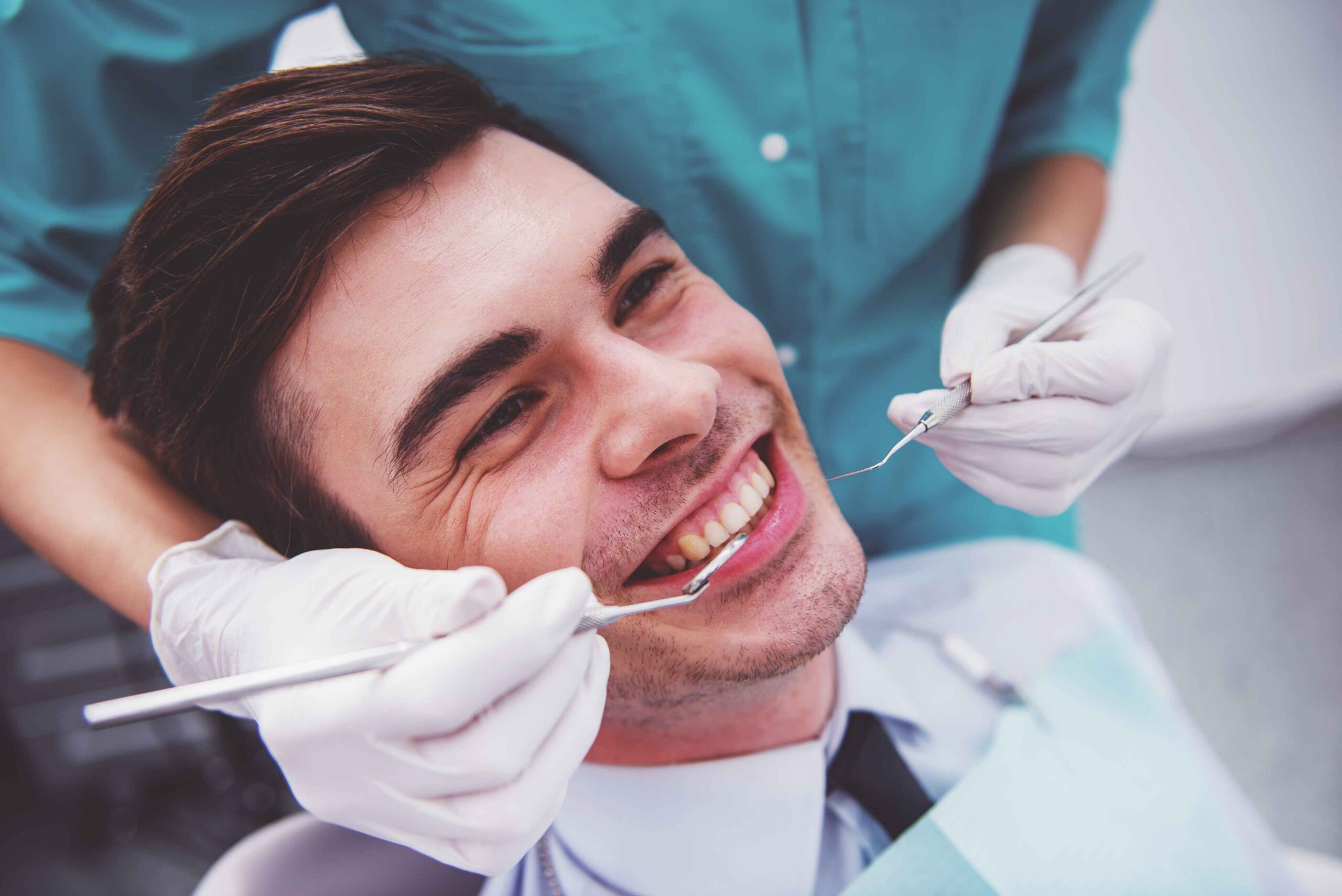
A dentist in Orillia, ON visit may clarify cavities, gum inflammation, tooth pain causes, cracked teeth, worn fillings, bite pressure, oral tissue changes, and possible urgent dental risks. Patients in Orillia may benefit from dental exams, cleanings, X-rays when needed, gum checks, restoration reviews, and prevention planning. A dental evaluation helps explain what is healthy, what needs monitoring, and what treatment may be recommended based on findings.
A dental visit can answer questions that are hard to solve at home. A tooth may feel sensitive only in the morning. Gums may bleed while brushing. The filling may feel rough. A jaw may feel tired after waking up. For patients in Orillia, ON, these small details can help reveal what is happening below the surface.
A dentist in Orillia, ON may evaluate teeth, gums, bites, oral tissues, dental restorations, and symptoms before recommending care. The goal is not only to find cavities. A visit can clarify whether discomfort is related to decay, gum inflammation, bite pressure, cracks, older dental work, or nerve irritation. It can also show what is healthy and what should be monitored. Clear findings help patients understand their oral health before problems become harder to manage.
A Dental Exam Can Connect Separate Symptoms
Patients often think of dental concerns one at a time. Tooth sensitivity, bleeding gums, jaw soreness, and a chipped filling may seem unrelated. During an exam, the dentist may find connections.
For example, grinding may cause worn enamel and tooth sensitivity. Gum inflammation may explain bleeding and bad breath. Cracked filling may affect chewing comfort.
A full-mouth evaluation helps the dentist understand the pattern. This can lead to more useful recommendations than focusing on one symptom alone.
Cavities May Not Hurt Early
Decay can begin quietly. A small cavity may not cause pain until it reaches deeper tooth layers. Cavities between teeth or under old restorations can be especially difficult for patients to notice.
The dentist may check visible tooth surfaces and recommend X-rays when needed to see hidden areas. Finding decay earlier may help preserve more natural tooth structure.
Waiting for pain can allow a small concern to become more involved. Early diagnosis often gives patients more options.
Gum Health Can Explain Bleeding and Sensitivity
Gums should not bleed regularly during brushing or flossing. Bleeding may be linked to plaque, tartar, gum inflammation, brushing technique, medications, or periodontal disease.
The dentist may measure gum pockets and check for swelling, recession, tenderness, or bone support changes. Gum health matters because it supports the teeth and affects long-term stability.
At Century Home Dental Awake or Sleep, gum evaluation may be part of routine dental care, especially when patients report bleeding, sensitivity, loose teeth, or past periodontal concerns.
Older Dental Work Needs Review
Fillings, crowns, bridges, bonding, and other restorations need monitoring. Dental work can be worn, cracked, loosened, or developed at the edges.
Patients may notice roughness, food catching, sensitivity, or a bite that feels different. Sometimes there are no symptoms at all.
A dentist can check restoration margins, tooth structure, bite contacts, and surrounding gums. This helps determine whether a restoration is stable, needs repair, or should be watched.
Tooth Pain Can Come from Several Sources
Tooth pain is not always caused by a cavity. It may come from cracks, gum infection, sinus pressure, grinding, bite trauma, nerve inflammation, or exposed roots.
The dentist may ask what triggers the pain, how long it lasts, and whether swelling or trauma occurred. Testing may include temperature checks, tapping, biting pressure, X-rays, and gum measurements.
Diagnosis matters because treatment depends on the cause. A filling, crown, root canal treatment, gum care, bite adjustment, extraction, or monitoring may be discussed only after evaluation.
Bite Pressure Can Damage Teeth Quietly
Clenching or grinding can happen during sleep or stressful periods. A patient may not realize it until signs appear.
The dentist may see flattened teeth, chipped edges, cracks, jaw muscle tenderness, or notches near the gumline. Bite pressure can also affect crowns, fillings, and root canal-treated teeth.
If the bite is part of the problem, the dentist may discuss monitoring, habit awareness, or protective options. The right step depends on the findings.
When a Finding Becomes Urgent
Some dental findings need more attention. Severe tooth pain, swelling, fever, trauma, uncontrolled bleeding, a broken tooth, or a knocked-out tooth should be evaluated promptly.
An emergency dentist in Severn, ON may be searched by patients near Orillia when symptoms feel urgent. Serious symptoms should not be delayed because dental infections or injuries can worsen.
If swelling affects breathing or swallowing, emergency medical care is needed. A dentist can guide dental treatment after urgent medical safety is addressed.
Severn Patients May Need the Same Clarity
A dentist in Severn, ON may evaluate many of the same concerns as an Orillia dentist: sensitivity, gum bleeding, tooth pain, cavities, old fillings, bite changes, and oral tissue concerns.
Location may differ, but the goal remains consistent. Patients need findings explained clearly and treatment recommendations based on diagnosis.
For nearby communities, continuity of care can help track changes over time through records, X-rays, gum measurements, and symptom history.
Cleanings Help the Exam Work Better
Professional cleanings remove plaque and tartar that brushing and flossing cannot be fully removed. Once buildup is removed, the dental team can better see gumline areas, tooth surfaces, and restoration edges.
Cleanings also reveal home care patterns. The dental team may see where plaque collects and suggest specific brushing or flossing changes.
Cleaning is not only for appearance. It supports gum health, cavity prevention, and early detection.
What a Visit May Clarify
A dental visit may help clarify:
- Early cavities
- Gum inflammation
- Tartar buildup
- Tooth sensitivity
- Cracked teeth
- Worn enamel
- Grinding signs
- Loose fillings
- Crown margin concerns
- Bite pressure
- Oral tissue changes
- Root exposure
- Possible infection signs
- Home care challenges
- Some findings may need treatment. Others may be monitored with regular visits.
What to Expect During an Orillia Dental Appointment
Before the visit, patients should note symptoms, medications, allergies, medical changes, and dental concerns. It helps to describe pain clearly, including triggers and timing.
During the appointment, the dentist may examine teeth, gums, bites, oral tissues, restorations, and areas of concern. X-rays may be recommended based on symptoms, risk, and dental history. Cleaning may be completed when scheduled.
After the exam, patients should receive clear findings. The dentist may recommend prevention, monitoring, fillings, crowns, gum care, urgent follow-up, or another treatment based on the evaluation.
Why Early Answers Matter
Dental concerns can grow when they are not understood. A small cavity may become deeper. A cracked filling may break more tooth structure. Gum inflammation may progress. Bite wear may continue.
Early answers can help patients plan. They also reduce uncertainty because patients know whether a concern needs treatment, monitoring, or a home care change.
A dental visit should give patients practical information they can use, not only a list of problems.
Benefits of a Full-Mouth Dental Review
A full-mouth review may help patients:
- Find cavities earlier
- Understand gum health
- Review old restorations
- Diagnose tooth pain
- Check bite pressure
- Identify grinding signs
- Discuss urgent symptoms
- Improve home care
- Monitor oral tissues
- Plan restorative care
- Support long-term oral health
- This type of care helps patients see the mouth as a connected system.
Local Patient Review
“I thought the sensitivity was from one tooth, but the exam showed bite pressure and gum recession were part of the issue. The explanation helped me understand the full picture.”
A Dental Visit Should Leave You With Answers
Dental care can help clarify symptoms, early findings, and next steps before concerns become more complex. Orillia patients can visit Century Home Dental Awake or Sleep for exams, cleanings, tooth pain evaluation, gum checks, and practical oral health guidance.
Frequently Asked Questions
What does a dentist Orillia, ON check during a visit?
A dentist may check teeth, gums, bite, restorations, oral tissues, cavities, cracks, sensitivity, and signs of infection or wear.
Can cavities exist without pain?
Yes, early cavities may not hurt. Exams and X-rays when needed can help find decay before symptoms begin.
Why do my gums bleed when I brush?
Bleeding may come from plaque buildup, gum inflammation, brushing technique, medication, or periodontal disease.
How can a dentist tell me if I grind my teeth?
Signs may include worn enamel, chipped edges, cracked restorations, jaw soreness, or tooth sensitivity near the gumline.
Are X-rays needed at every dental visit?
Not always. X-rays are recommended based on symptoms, risk, age, dental history, and what needs to be evaluated.
When should tooth pain be checked quickly?
Pain should be checked promptly if it is severe, worsening, affects chewing, wakes you at night, or comes with swelling or fever.
Can routine visits help reduce urgent problems?
They may reduce some risks by finding decay, cracks, gum concerns, or failing restorations earlier, though emergencies can still happen.
Do oral tissues need checking if my teeth feel fine?
Yes, the tongue, cheeks, palate, lips, and other tissues can show changes that may need evaluation.